IBRO vs Gymreapers 10mm Lever Belts: Which One Makes More Sense?
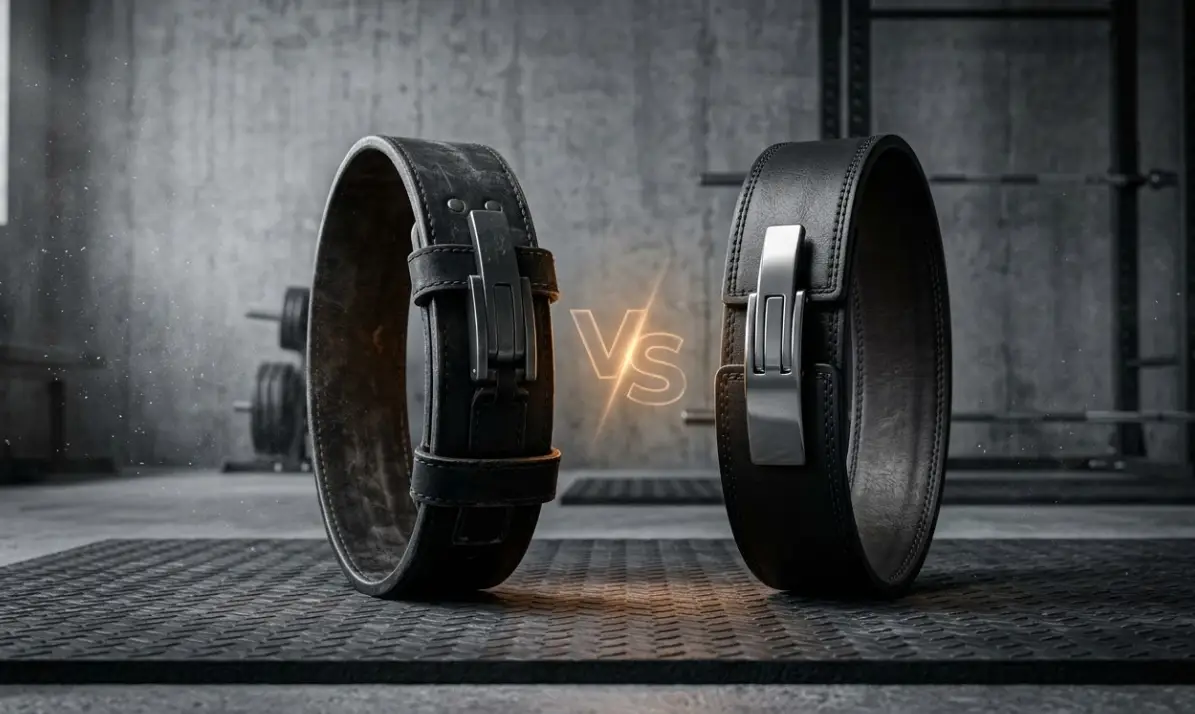
At first glance, these belts are easy to lump together.
Both are 10mm leather lever belts. Both are roughly four inches wide. Both are built around the same basic idea: set the lever position for your torso, snap the belt closed before a heavy set, and release it when the set is over.
That makes the obvious question seem like it should be about which one feels “stronger.”
It really is not.
The more useful comparison is what you get around that basic 10mm belt: competition approval, materials, sizing support, warranty, and how much certainty you want when you buy it.
There is also one important correction to older versions of this comparison.
The current Gymreapers 10mm lever-belt line is represented on the IPF Approved List. IBRO is not listed on the current 2023–2026 IPF approved-equipment document. The IPF list specifically includes Gymreapers soft and hard lever belts in both 10mm and 13mm versions.
That changes this comparison quite a bit.
Table of Contents
The Short Answer
If you are buying a belt mainly for gym training and the IBRO is substantially less expensive when you shop, it can make sense. It gives you the basic ingredients people look for in a traditional powerlifting lever belt: 10mm thickness, four-inch width, leather construction, a steel lever, and a suede surface. IBRO also currently lists a one-year warranty.
If you want a belt for IPF competition, or you put more value on manufacturer support and long-term warranty coverage, the Gymreapers is the easier choice. Its current 10mm belt uses vegetable-tanned leather with an Amara suede surface, reinforced stitching, a heavy-duty lever, and a lifetime warranty covering the belt and lever. Gymreapers also lists the belt as approved for several powerlifting federations.
Neither answer requires pretending that one belt magically makes you stronger.
They are simply aimed at slightly different buyers.
IBRO vs Gymreapers: The Useful Differences
| Feature | IBRO 10mm Lever Belt | Gymreapers 10mm Lever Belt |
|---|---|---|
| Thickness | 10mm | 10mm |
| Width | 4 in. | 4 in. |
| Closure | Steel lever | Heavy-duty lever |
| Main material | Genuine leather | Vegetable-tanned leather |
| Surface / lining | Amara suede listed | Amara suede surface |
| Stitching | Double stitching listed | Reinforced stitching |
| Warranty | 1 year | Lifetime replacement guarantee |
| Current IPF list | IBRO not listed | Gymreapers 10mm lever belts listed |
| Best reason to consider it | Training value | Competition approval + warranty |
The important point is that 10mm versus 10mm does not make these belts identical.
Thickness tells you something about the general structure of a belt. It does not tell you everything about the leather, lever hardware, sizing system, approval status, or warranty behind it.
Both Start With a Familiar 10mm Powerlifting Belt Format
IBRO currently describes its 10mm lever model as a four-inch genuine-leather belt with a steel lever, double stitching, and Amara suede.
Gymreapers lists its 10mm model at four inches tall and 10mm thick, with vegetable-tanned leather, an Amara suede surface, reinforced stitching, and a heavy-duty lever.
For someone trying to choose between them, that is useful because it removes one distraction.
You are not comparing a soft nylon belt with a thick leather powerlifting belt.
You are comparing two belts built around the same general 10mm lever-belt format.
That means the decision should come down to the details rather than assuming the thicker-looking or more expensive belt must automatically provide better training.
If you are still unsure whether 10mm is right for you at all, read our 10mm vs 13mm Powerlifting Belts comparison first. The thickness decision matters more than the logo on the back.
The Biggest Difference Is Competition Approval
This is where the two products stop being interchangeable.
The current IPF Approved List is valid through December 31, 2026 and says that belts used in IPF competition must come from manufacturers and models approved by the IPF Technical Committee.
Gymreapers appears on that list.
The document includes:
- Gymreapers Soft Lever Belt, 10mm and 13mm — IPF ID 5;
- Gymreapers Hard Lever Belt, 10mm and 13mm — IPF ID 4.
IBRO does not appear in the current approved-list document.
That does not mean an IBRO belt is unsuitable for training.
It means you should not buy one assuming that “competition style,” correct dimensions, or a product title containing powerlifting language automatically makes the belt legal for an IPF platform.
Those are different things.
For a lifter who never intends to compete in an IPF-affiliated meet, that may not matter at all.
For someone buying one belt for both training and competition, it matters a lot.
One warning before a meet
Do not stop at the brand name.
Approval applies to the approved equipment, not every product a brand has ever sold.
If you are competing, check your exact model against the current federation list before meet day.
That applies even when the brand itself is on the list.
IBRO Makes More Sense When the Belt Is Primarily a Training Tool
There is nothing wrong with buying equipment around the job you actually need it to do.
If your plan is heavy squats, deadlifts, RDLs, and general strength work, and sanctioned-equipment approval is irrelevant to you, then the IBRO becomes easier to consider.
Its current listing checks most of the basic boxes people expect from a conventional leather lever belt: 10mm thickness, four-inch width, steel lever hardware, double stitching, and a suede surface.
The current listing also states a one-year replacement warranty.
That is a much more defensible reason to buy it than the old argument that it is somehow “almost the same belt for half the price.”
Prices change. Sales disappear. Marketplace sellers change.
The more useful way to look at IBRO is this:
If the current price is attractive and you do not need IPF approval, are its specifications enough for the way you train?
For plenty of recreational strength trainees, the answer may be yes.
What the Gymreapers Premium Actually Buys
The Gymreapers case is not that it contains some mysterious extra level of “support.”
Both belts are still 10mm lever belts.
The argument for Gymreapers is more concrete.
You get a clearly documented size system, current federation approval for relevant models, a specified leather construction, and a much stronger warranty.
Gymreapers currently describes the 10mm belt as using premium-grade vegetable-tanned leather with an Amara suede surface. The belt is four inches high and 10mm thick.
The company also backs its current lever belt with a lifetime replacement guarantee covering both the lever and the belt.
That warranty is a meaningful distinction from IBRO's currently stated one-year coverage.
Whether it is worth paying more for is personal.
But at least it is a real difference.
Do Not Overthink “Full-Grain,” “Premium,” and Other Leather Labels
One problem with belt comparisons is that marketing language starts doing too much of the work.
“Genuine leather.” “Premium leather.” “Vegetable tanned.” “Heavy duty.”
Those descriptions tell you something, but they do not allow us to scientifically rank two finished belts without physically testing their material, construction, stitching, and hardware.
So I would not repeat the old claim that one belt unquestionably has better leather or will last a specific number of years.
What we can say is what each manufacturer currently specifies.
IBRO lists genuine leather and Amara suede.
Gymreapers specifies vegetable-tanned leather and an Amara suede surface.
Beyond that, lifespan will depend on construction, lever hardware, use, storage, sweat exposure, and how the belt is treated.
That is more useful than inventing a “3–5 year durability score.”
What About the Lever?
A lever belt is attractive because once you have the position set, opening and closing it is quick.
That is true for both of these belts.
IBRO currently advertises an improved steel lever buckle with quick release.
Gymreapers describes a heavy-duty lever designed for quick closure and release.
What I would not claim without controlled testing is that one has “zero play,” “a sharper click,” “three times the lifespan,” or a known failure rate.
The old article did exactly that without evidence.
There is no need.
The documented distinction is already enough: Gymreapers combines its lever with lifetime belt-and-lever warranty coverage, while IBRO currently lists one year of warranty coverage.
For someone worried about long-term hardware problems, that warranty difference is more meaningful than an invented lever-quality score.
A Lever Belt Is Convenient — Until You Need a Different Setting
Traditional lever belts are excellent when you use roughly the same tightness from set to set.
Set the lever. Close it. Lift. Open it. Done.
But if your preferred belt position changes between squat and deadlift, or your torso measurement moves noticeably during a bulk or cut, a conventional lever is less convenient than a prong belt because the lever position needs to be reset.
That is not an IBRO problem or a Gymreapers problem.
It is part of choosing this closure style.
If you are not sure you want a lever at all, our Lever vs Prong Powerlifting Belts comparison is the better place to start.
Sizing Matters More Than Choosing the “Better” Brand
A great belt in the wrong size is still the wrong belt.
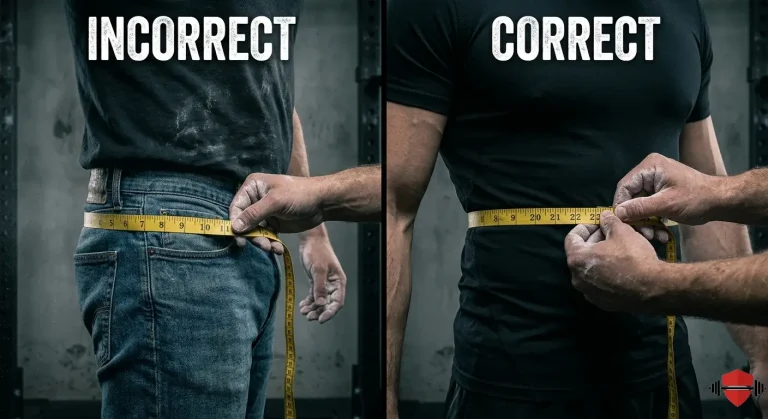
Gymreapers currently tells customers to measure around the core, with clothing on, rather than ordering from pant size. Its 10mm range currently runs from XS through 2XL, with overlapping measurement ranges to provide some room for adjustment.
That “not your jeans size” point matters.
A lifting belt may sit somewhere different from the waistband of your pants, depending on your torso, preferred squat position, and deadlift setup.
Measure where you actually expect to wear the belt.
And do not automatically size down because somebody online said a powerlifting belt should be painfully tight.
You need room to brace into it.
If closing the lever requires a wrestling match, your breathing is badly restricted, or you cannot establish a normal brace, “tighter” has stopped being useful.
Our Powerlifting Belt Sizing Guide goes deeper into measuring position and what to do when you fall between sizes.
Does Either Belt Help You Lift More?
A lifting belt can change how you brace and interact with heavy loads.
That does not justify saying: buy this belt and add pounds to your squat.
Your total still depends on your training, technique, strength, recovery, and ability to use the belt effectively.
A lever belt is equipment.
Not a shortcut.
That distinction is especially important for someone buying a first belt. You still need to learn how to create a strong brace rather than simply pulling the lever tighter and hoping the leather does the work.
Is 10mm Enough for Serious Powerlifting?
Yes.
You do not need to move to 13mm just because your numbers get better.
A 10mm belt can make sense for a beginner, an experienced lifter, or a competitive powerlifter.
The appeal is that it generally gives you a substantial leather belt without committing to the additional rigidity of a 13mm model.
That can be useful for lifters who want one belt for both squat and deadlift, particularly if a very stiff belt feels awkward around the ribs or hips.
Thirteen millimeters is another option, not a graduation ceremony.
Choose based on fit, stiffness preference, torso shape, and federation requirements.
Who Should Choose the IBRO 10mm?
I would put IBRO on the shortlist if:
- you primarily train rather than compete in IPF;
- you want a conventional 10mm leather lever belt;
- its current price is meaningfully lower when you shop;
- a one-year warranty is acceptable to you;
- you do not need the broader competition credentials of the Gymreapers model.
The IBRO does not need exaggerated claims to make sense.
It simply needs to offer the features you want at a price you are comfortable paying.
Who Should Choose the Gymreapers 10mm?
Gymreapers becomes the easier recommendation if:
- you compete, or expect to compete, in an IPF-affiliated federation;
- you want a currently listed IPF-approved 10mm lever-belt option;
- lifetime warranty coverage matters to you;
- you want clearly published sizing and material specifications;
- you would rather buy once around competition requirements than replace a training-only belt later.
The current IPF list is the biggest differentiator here, not the logo.
For a lifter who wants the same belt in training and on an IPF platform, that alone can settle the comparison.
So Is Gymreapers “Better”?
That question needs a qualifier.
Better for what?
For IPF competition, Gymreapers has a clear advantage because relevant 10mm lever belts are on the current approved list.
For warranty coverage, Gymreapers also has the stronger published policy: lifetime replacement coverage versus the one-year warranty currently stated for IBRO.
For a lifter who only wants a 10mm lever belt for gym use, the decision is less automatic.
If IBRO is substantially cheaper at the time you buy and its dimensions, sizing and warranty work for you, paying more may not solve a problem you actually have.
That is why I would not declare one universal winner.
Bottom Line
The old version of this comparison made the choice sound like cheap Amazon belt versus serious powerlifting belt.
That is too simplistic.
Both are legitimate 10mm leather lever-belt options for strength training.
The difference is in what surrounds the basic belt.
IBRO makes the most sense as a training-focused option when price matters and IPF approval does not.
Gymreapers makes more sense for a lifter who wants competition eligibility, a documented sizing system, and lifetime warranty coverage.
And if an IPF meet is even a realistic possibility, the current approved list is hard to ignore.
You can always train in an approved belt.
You cannot assume a training belt will become approved when meet day arrives.
FAQ
Is the IBRO 10mm Lever Belt IPF approved?
IBRO does not appear on the current IPF Approved List for the 2023–2026 approval cycle. If you are entering an IPF-sanctioned competition, do not rely on general “competition” wording in a product description; verify the exact belt against the current official list.
Is the Gymreapers 10mm Lever Belt IPF approved?
The current IPF list includes Gymreapers Soft Lever Belts in 10mm and 13mm under IPF ID 5 and Hard Lever Belts in 10mm and 13mm under IPF ID 4. Verify that the exact model you buy corresponds to the approved model before competition.
Is Gymreapers worth paying more for than IBRO?
It can be if you need IPF approval or value lifetime warranty coverage. If you only need a 10mm lever belt for training, compare the current prices, sizing and warranty terms rather than assuming the more expensive option is automatically necessary.
Is a 10mm belt enough for heavy squats and deadlifts?
A 10mm belt is a normal choice for powerlifting and heavy strength training. A 13mm belt is stiffer, but it is not automatically a better choice for stronger or more experienced lifters.
Should I size down for a tighter powerlifting belt?
No. Measure around the part of your torso where the belt will actually sit and use the manufacturer's current sizing chart. A belt should allow you to establish a strong brace without painful pressure, numbness, or unnecessarily restricted breathing.
Lever belt or prong belt?
Choose a lever if you value fast, repeatable closure at roughly the same setting. A prong belt is more convenient when you frequently change tightness. See our Lever vs Prong Powerlifting Belts comparison for the full comparison.
Sources for This Comparison
- International Powerlifting Federation — Approved List 2023–2026 — current official approved-equipment reference.
- International Powerlifting Federation — Approved Equipment PDF — includes Gymreapers 10mm/13mm Soft and Hard Lever Belts and does not list IBRO.
- Gymreapers — 10MM Lever Belt — current materials, dimensions, sizing, approvals and warranty information.
- IBRO — 10mm Lever Belt product information — current listed dimensions, lever, leather/suede construction, stitching and warranty.
- Powerlifting-Gear.pro — IBRO Powerlifting Lever Gym Belt review.
- Powerlifting-Gear.pro — 10mm vs 13mm Powerlifting Belts comparison.
- Powerlifting-Gear.pro — Lever vs Prong Powerlifting Belts comparison.