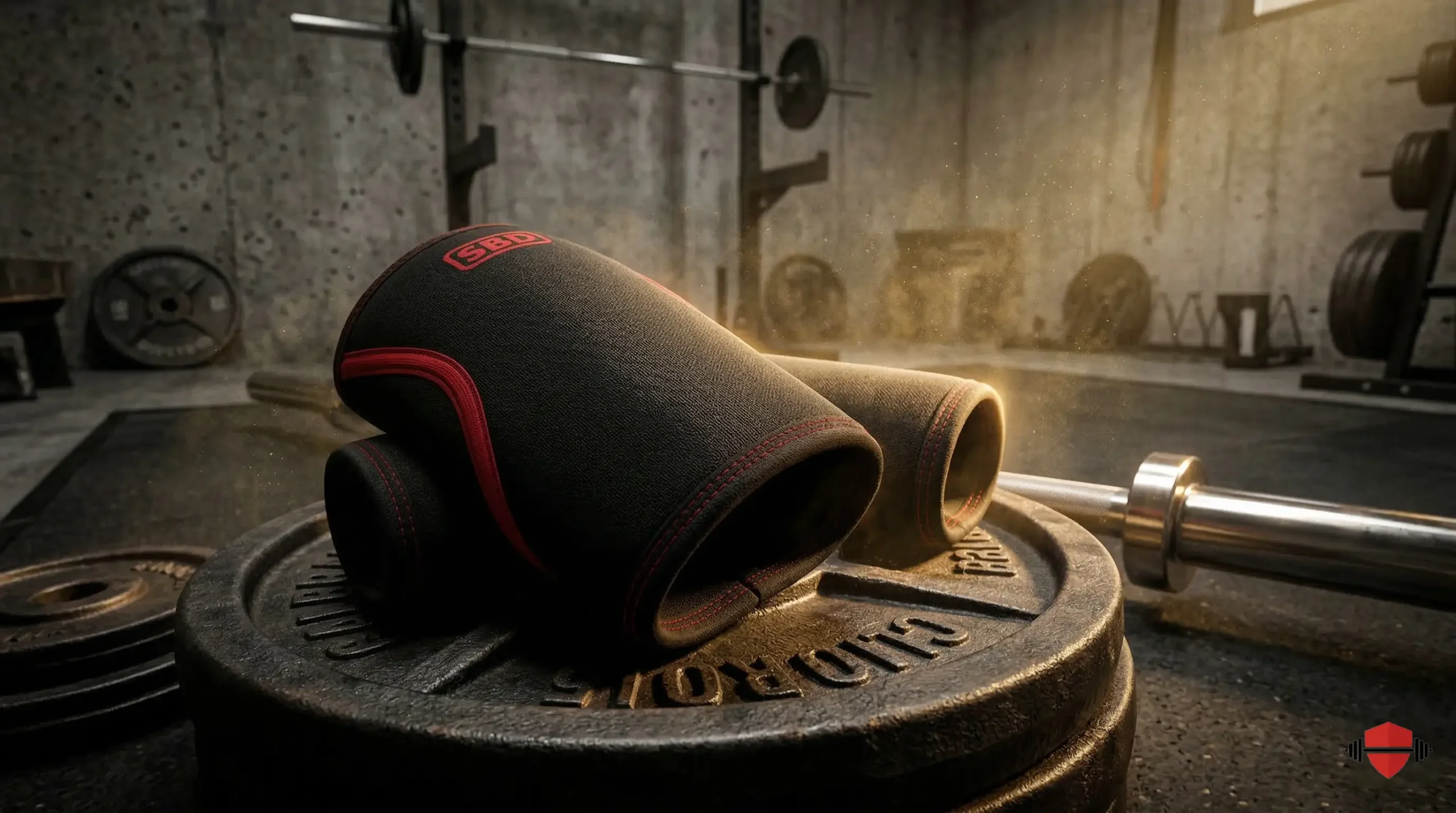
SBD Knee Sleeves Compared: Training vs Powerlifting vs Weightlifting
SBD no longer has just one obvious knee-sleeve choice.
There is the regular 7mm Knee Sleeve, the stiffer Powerlifting Knee Sleeve, and the thinner 5mm Weightlifting Knee Sleeve. They look similar enough that it is easy to assume the choice comes down to “more support” versus “less support.”
It does not.
The better question is what happens during a normal week of your training. Do you spend most of your time squatting heavy? Do you want a sleeve you can leave on through several working sets? Or do you need enough freedom for cleans, snatches, and other movements where a stiff 7mm sleeve can become more annoying than useful?
SBD separates the three models around those differences: Powerlifting for maximal compression, the standard 7mm sleeve for more versatile strength training, and the 5mm Weightlifting sleeve for greater freedom of movement.
Table of Contents
The quick version
For most lifters doing regular powerlifting or heavy strength training, the standard SBD 7mm Knee Sleeve is probably the easiest place to start.
It is still a serious 7mm neoprene sleeve, but SBD describes its fit as moderate rather than maximal. It is intended to stay snug around the knee without being as aggressive to put on as the dedicated Powerlifting model.
The SBD Powerlifting Knee Sleeve is the specialist option. It also uses 7mm neoprene, but SBD builds it around maximal compression, heavier construction, and competition-focused fitting.
The 5mm Weightlifting Knee Sleeve goes the other way. It uses thinner neoprene and is designed for greater range of motion and more dynamic training.
| Model | Best suited to | Compression | Main trade-off |
|---|---|---|---|
| 7mm Knee Sleeve | Regular powerlifting and strength training | High | More bulk than 5mm |
| Powerlifting Knee Sleeve | Heavy squats, competition, maximal attempts | Maximal | Harder fit, less casual for long sessions |
| 5mm Weightlifting Knee Sleeve | Olympic lifting and dynamic training | Moderate | Less rigid than the 7mm options |
SBD 7mm Knee Sleeves: the all-around choice
The standard 7mm model makes the most sense if your training is built around squats but not every squat session is a meet-day simulation.
SBD describes this sleeve as providing high compression with a more moderate fit than its Powerlifting model. The current version uses high-grade 7mm neoprene and a shaped construction intended to stay close to the knee as it bends.
That combination is useful for ordinary strength training. Think five working sets of squats, paused work, front squats, and maybe some lower-body accessories afterward. You probably want the sleeve to feel substantial, but you may not want to spend several minutes fighting an ultra-tight pair onto your calves before every session.
This is where the standard 7mm model earns its place. It is still thick enough that you will notice it. It will also be warmer and bulkier than a 5mm sleeve. But that is a reasonable trade if barbell strength work is the main reason you are buying knee sleeves.
If this looks like the best fit for your training, read our detailed SBD 7mm Training Knee Sleeves review for sizing, construction, fit, and day-to-day powerlifting use.
You can also check the current SBD product page or view the SBD 7mm Training Knee Sleeves on Amazon.
As an Amazon Associate, Powerlifting-Gear.pro may earn from qualifying purchases.
Powerlifting Knee Sleeves: when maximum compression is actually the goal
The Powerlifting Knee Sleeve is not just the same sleeve with a more dramatic name.
SBD positions it specifically around maximal compression and competition-focused use. The company also uses heavyweight linings, edging, and seams intended to tolerate more aggressive fitting.
That changes the buying decision. If your priority is a heavy squat single, meet preparation, or the stiffest SBD setup you can use within the applicable competition rules, the Powerlifting model makes sense.
If your normal session involves a lot of volume and you dislike spending half the workout in very tight sleeves, it may be more equipment than you need.
This is where the old idea that “tighter is always better” becomes unhelpful. A sleeve that feels excellent for a third-attempt squat may not be the sleeve you want to wear through six working sets, tempo squats, and accessories.
The Powerlifting version is better thought of as the specialist in the lineup, not an automatic upgrade over the regular 7mm model.
The 5mm Weightlifting Sleeve solves a different problem
The Weightlifting Knee Sleeve is the easiest one to misunderstand if you come from powerlifting.
It is thinner at 5mm, but that does not mean it is simply the cheaper or beginner version.
SBD designed the 5mm sleeve around greater movement. The company positions it for Olympic weightlifting and dynamic training, using high-grade 5mm neoprene to provide compression without restricting the larger ranges of motion those sessions require.
That can matter during cleans, snatches, front squats, and workouts where you are moving quickly between exercises. A stiff 7mm sleeve can feel perfectly normal during a heavy back squat and unnecessarily bulky ten minutes later when the training changes.
If your week combines strength work with Olympic lifting, conditioning, or a lot of dynamic lower-body movement, the 5mm option may actually be the better tool. Not because it provides “less” in some universal sense, but because it interferes less with the training you are trying to do.
Do SBD knee sleeves add weight to your squat?
This is where knee-sleeve discussions tend to become exaggerated.
A thick, compressive sleeve can feel different at the bottom of a squat, and a stiffer model may provide some elastic resistance as the knee flexes. But there is no honest reason to promise that buying a particular pair of sleeves will add a fixed number of pounds to your squat.
That should not be the buying argument.
The more useful reasons to wear knee sleeves are simpler: compression, warmth around the knee, and a consistent feel from set to set.
The Powerlifting sleeve is the one to consider if you specifically want SBD's highest-compression option. The standard 7mm sleeve is the more balanced choice if you want serious support without making every training day revolve around the sleeves themselves.
Sizing is where most bad purchases happen
Do not buy SBD sleeves from your jeans size, bodyweight, or the size you happened to use in another brand.
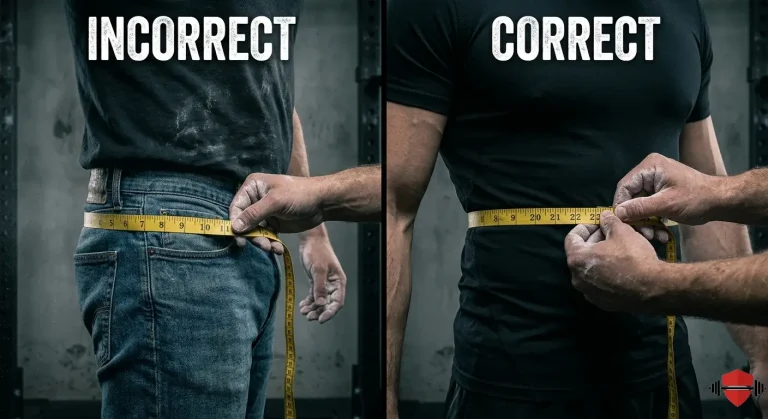
SBD tells users to measure around the center of the kneecap with the leg straight and relaxed, then also measure the thickest part of the calf. If the calf is more than 4cm / 1.6 inches larger than the knee measurement, sizing up may make the sleeve easier to fit correctly.
For the standard SBD knee sleeves, the current size range runs from 3XS through 5XL.
SBD also makes an important distinction that is worth keeping intact rather than inventing our own “competition sizing system”: a regular fit should already be snug. Sizing down is an option for someone deliberately looking for a tighter powerlifting-oriented fit. New sleeve users should start from the official measurement guidance instead of automatically choosing the smallest size they can force on.
A sleeve that causes numbness, excessive restriction, or takes heroic effort to put on is not automatically working better because it is tighter.
What about IPF competition?
SBD knee sleeves appear on the current IPF Approved List for the 2023–2026 equipment cycle, including the standard, Powerlifting, and Weightlifting knee-sleeve entries.
That matters if you want to train and compete in familiar equipment, but approval should still be checked against the exact model and the current federation list before a meet. Equipment lists can change, and rules outside the IPF can differ.
That is a sixty-second check worth making before competition day.
Which SBD knee sleeve should you buy?
For regular powerlifting and heavy gym training, start with the standard 7mm Knee Sleeve. It gives you the 7mm construction and high compression most lifters expect from serious squat sleeves without going all the way to the most aggressive fit in the range.
Choose the Powerlifting Knee Sleeve if heavy squats, maximal attempts, and competition-specific support are clearly the priority. It is the highest-compression SBD option and should be bought because you actually want that tighter, stiffer experience.
Choose the 5mm Weightlifting Knee Sleeve if mobility is more important and your training contains Olympic lifts or other dynamic movements where a thick sleeve can feel restrictive.
The wrong way to choose is by asking which model looks the most serious.
The useful question is much simpler: What do you spend most of your training week doing?
That usually points to the right sleeve faster than the logo, the thickness number, or whatever the strongest lifter in your gym happens to wear.
Bottom line
SBD's knee-sleeve lineup makes more sense when the models are treated as tools for different jobs.
The standard 7mm Knee Sleeve is the versatile option. The Powerlifting Knee Sleeve is the high-compression specialist. The 5mm Weightlifting Knee Sleeve prioritizes movement.
None of them is automatically the best choice for every lifter.
If you primarily squat heavy but still want a sleeve you can use through normal training, the standard 7mm pair is the sensible starting point. If the heaviest squat possible is the priority, look at the Powerlifting model. If your training needs more knee movement than rigidity, the 5mm model is likely the better fit.
That is a more useful distinction than calling one sleeve the “gold standard” and pretending the choice ends there.
FAQ
Are regular SBD Knee Sleeves and SBD Powerlifting Knee Sleeves the same?
No. Both are built for serious strength training, but the regular 7mm Knee Sleeve is the more moderately fitted, versatile option, while the Powerlifting Knee Sleeve is designed around maximal compression and more aggressive fitting.
Are SBD Weightlifting Knee Sleeves 7mm?
No. The current Weightlifting Knee Sleeve uses 5mm high-grade neoprene and is designed to allow more movement during dynamic training.
Should I size down in SBD knee sleeves?
Not automatically. SBD recommends following its measurement guidance first. Sizing down is an option for lifters who deliberately want a tighter powerlifting-oriented fit.
Are SBD knee sleeves IPF approved?
Current SBD knee-sleeve models appear on the IPF Approved List for the 2023–2026 equipment cycle. Competitors should still verify the exact model and current list before their meet.
How should SBD knee sleeves be washed?
SBD recommends hand washing with water or mild detergent and air drying. Avoid high heat and aggressive machine spinning.
Sources for this article
- SBD Apparel — Knee Sleeves collection
- SBD Apparel — 7mm Knee Sleeves
- SBD Apparel — Powerlifting Knee Sleeves
- SBD Apparel — Weightlifting Knee Sleeves
- SBD Apparel — 7mm Knee Sleeve measurement and fit guidance
- International Powerlifting Federation — Approved List 2023–2026
- Amazon — SBD 7mm Training Knee Sleeves
- Powerlifting-Gear.pro — SBD 7mm Training Knee Sleeves detailed review
Adapted and fact-checked: August 19, 2026.