How to Put On Tight Knee Sleeves: 3 Practical Methods
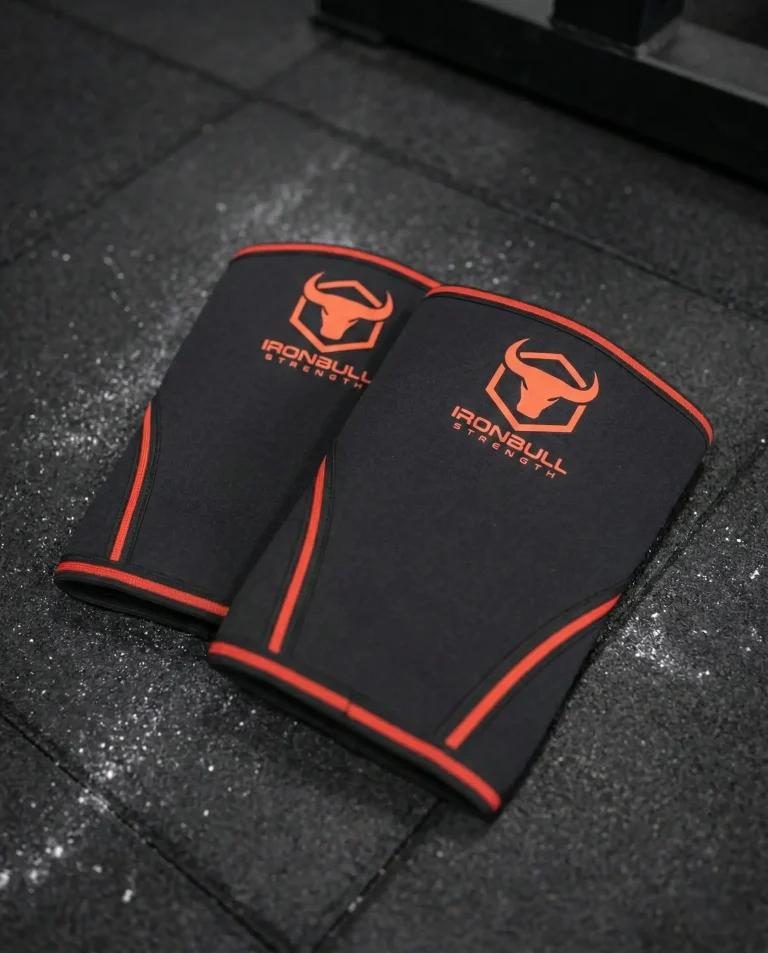
A properly fitted 7mm knee sleeve can take a little work to get over your calf.
That is normal.
What is not normal is spending five minutes fighting with it, yanking on the seams, losing feeling in your lower leg, or assuming that every difficult sleeve must be the “right” size because tighter is always better.
Not sure whether the problem is technique or the size itself? Start with our knee sleeve sizing guide for training vs competition fit.
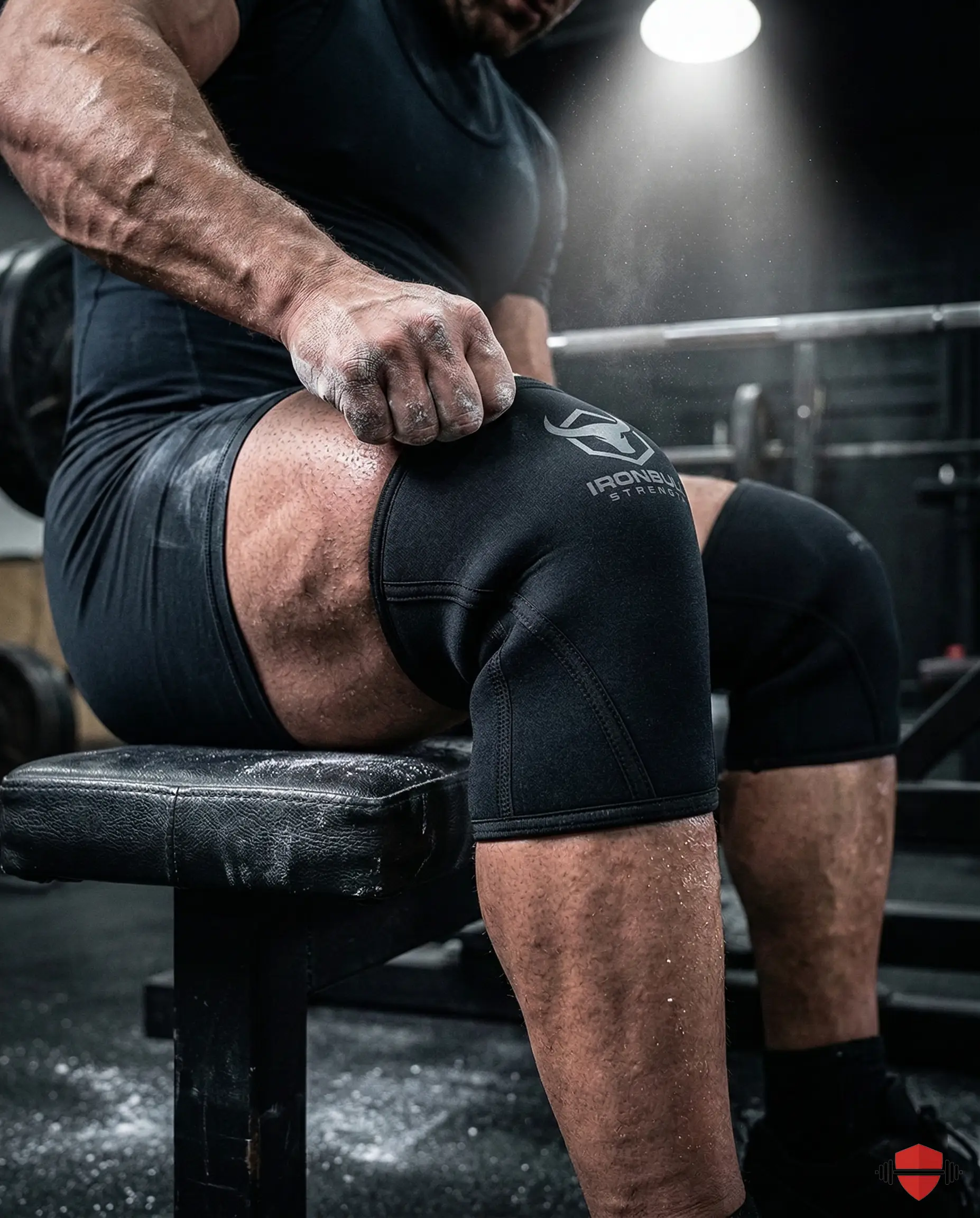
Knee sleeves should feel snug and secure. They should stay in position around the knee while you squat.
They should not leave you with numbness, tingling, throbbing, or obvious changes in skin color.
And before you start experimenting with tricks for getting them on, make sure you actually bought the correct size.
Different manufacturers use different sizing systems. SBD, for example, asks you to measure both the knee and the thickest part of the calf. Its current guidance says a regular fit should already be snug, and specifically recommends that people who are new to knee sleeves start with the recommended size rather than automatically sizing down.
Once the size is right, technique makes a big difference.
Here are three practical ways to get snug sleeves into position without treating the process like a strength event of its own.
Table of Contents
Quick Answer
For most people, start with the half-fold and roll method.
If the sleeve is especially stiff or difficult to move over the calf, try the inside-out roll method.
If skin friction is the main problem, a thin plastic bag or smooth sleeve aid can make the sleeve easier to slide upward — but remove it completely before training.
Whichever method you use, finish with the sleeve smooth and centered over the knee.
Before You Start: Make Sure the Sleeve Is Actually the Right Size
There is a difference between snug, hard to put on, and too small.
A 7mm neoprene sleeve often takes more effort to put on than a thin training sleeve. But difficulty by itself does not prove that a smaller size would be better.
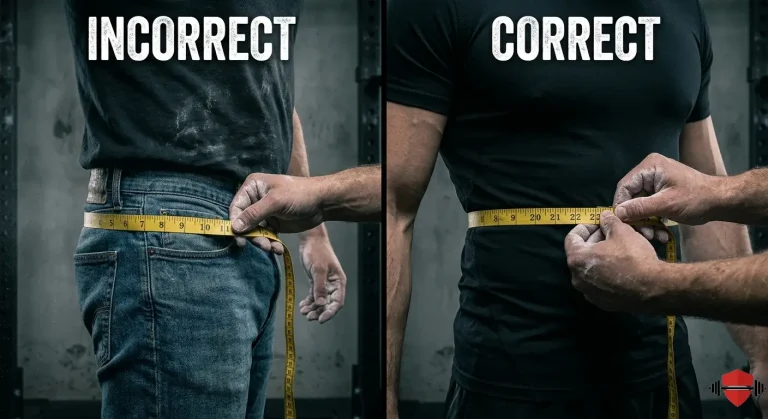
SBD's current measuring instructions are a good example of why you should check more than one part of the leg. The company recommends measuring around the center of the kneecap and around the thickest part of the calf. If the calf is substantially larger, that can affect the appropriate size. See SBD sizing guidance.
Iron Bull’s current fit guidance gives another useful boundary: numbness, tingling, throbbing, or skin discoloration are signs that a sleeve is too tight and should be removed.
So before learning any clever application method, ask a simpler question:
Can this sleeve sit centered over my knee without cutting off circulation or preventing normal movement?
If the answer is no, technique probably is not the problem.
If you are still choosing between thicknesses, our Iron Bull 5mm vs 7mm Knee Sleeves comparison explains why sleeve thickness and sleeve size are separate decisions.
Method 1: Half-Fold and Roll
This is the method I would try first.
It reduces the amount of loose neoprene you have to pull at once and gives you a thicker folded section to grip without constantly pinching the top edge.
Gymreapers currently recommends essentially this approach in its knee-sleeve instructions: fold the sleeve in half, slide the folded sleeve up the calf, then unfold the upper portion over the knee.
Step by Step
- Sit down and straighten your leg. A bench works well. Keep the leg fairly relaxed; you do not need to flex your calf while trying to slide the sleeve over it.
- Fold the top half of the sleeve downward. Take the upper edge and fold it toward the lower half of the sleeve. You should now have a shorter, thicker cylinder. Do not twist the sleeve. Keep the seams aligned.
- Put your foot through the sleeve. Slide it past the ankle and begin working it upward. Instead of pulling only on one point, use both hands and gradually move the folded sleeve over the calf.
- Bring the folded edge just below the knee. Once the sleeve is high enough, stop pulling the entire sleeve upward.
- Unfold the top section over the knee. Grab the folded edge and roll it upward. The sleeve should open over the kneecap rather than being dragged from the very top edge.
- Center the sleeve. Smooth out obvious wrinkles. The kneecap should sit roughly around the middle of the sleeve, with even coverage above and below the joint.
For IPF competition, current rules specifically require the sleeve to be centered over the knee joint. See the 2026 IPF Technical Rulebook.
When This Method Works Best
- normal snug 7mm sleeves;
- everyday squat training;
- lifters new to thicker neoprene sleeves;
- sleeves that are tight but not dramatically undersized.
If you need extreme force just to reach the bottom of the kneecap, stop and check the sizing before trying to pull harder.
Method 2: Inside-Out Roll Method
Some sleeves are easier to control when more of the neoprene is turned inside out before you start.
The basic idea is similar to Method 1, but instead of making one simple half-fold, you create a compact rolled section that can be pulled into position and then opened over the knee.
This is useful when the sleeve keeps catching on the calf or when you find yourself repeatedly grabbing the top seam.
Step by Step
- Turn most of the sleeve inside out. Leave enough of the lower section in its normal orientation to get your foot through. The goal is to create a compact section you can work upward.
- Slide your foot through. Pull the lower part past the ankle. Make sure the sleeve is not twisted.
- Work the rolled section up the calf. Use both hands. Pull from the body of the sleeve rather than digging your fingertips into one seam. Move one side slightly, then the other.
- Stop below the knee. Once the lower part of the sleeve is positioned correctly, begin rolling the inverted section upward.
- Unroll it across the knee. Work gradually rather than trying to snap the entire sleeve upward in one motion.
- Straighten the material. Check the back of the knee for bunching. Make sure the sleeve is not twisted and that the compression feels reasonably even.
When This Method Works Best
- the half-fold method still leaves too much material to pull;
- the sleeve catches badly on the calf;
- you have a larger calf relative to the knee;
- you want to avoid repeatedly pulling on the top edge.
If neither folding technique gets the sleeve into position without excessive force, that is another reason to revisit the manufacturer's size chart.
Method 3: Plastic Bag or Smooth Sleeve Aid
Sometimes the real problem is not sleeve stiffness. It is friction.
Dry neoprene against skin and leg hair can make a sleeve feel much harder to move than its actual size would suggest.
A thin smooth barrier can reduce that friction while you slide the sleeve over the calf.
Step by Step
- Place a thin plastic bag over the foot and lower leg. The material should extend high enough to cover the section of calf the sleeve has to pass over. Keep it smooth rather than bunched.
- Fold the knee sleeve. The half-fold method works well here.
- Slide the sleeve over the bag. Because the surface is smoother than bare skin, the sleeve may move upward with less resistance.
- Position the sleeve below or around the knee. Get the neoprene where you need it before unfolding it fully.
- Remove the bag completely. Pull the plastic out from underneath the sleeve. Do not leave loose plastic trapped beneath the neoprene while training.
- Finish positioning the sleeve. Unfold it and center it over the knee. Smooth out wrinkles and check that nothing is trapped underneath.
Competition Note
I would not tell lifters that a plastic-bag technique is automatically permitted at every meet.
The current 2026 IPF Technical Rulebook does, however, explicitly say that athletes may receive personal assistance when applying knee sleeves. See the current rulebook.
The IPF's explanation for this 2026 rule change notes that equipped lifters can use plastic bags while putting on supportive suits, and says the knee-sleeve assistance rule was introduced for fairness and consistency for Classic lifters. Read the IPF rule-change explanation.
That still is not the same as a blanket rule saying every plastic-bag application method is permitted everywhere.
If you intend to use a bag, sleeve sock, or another application aid at a competition, confirm the procedure under the current rules for your federation and meet.
Do Not Pull Hard on One Edge
A common mistake is grabbing the very top of a stubborn sleeve with a few fingertips and trying to drag the entire thing up from one spot.
That concentrates a lot of force on a small section of fabric, neoprene, and stitching.
Instead, grab a broader section, use both hands, alternate sides, and move the sleeve a little at a time.
If you repeatedly need maximum force to get the sleeve into place, the solution may be a different size rather than a more aggressive pulling technique.
Gymreapers' current application guidance similarly cautions against excessive force and says that if a sleeve cannot be positioned without it, sizing should be reconsidered.
How Tight Is Too Tight?
A powerlifting sleeve can be very snug without being a problem.
But there is a point where “competition fit” becomes simply “wrong size.”
Normal Snug Fit
- firm pressure around the knee;
- some effort required to put the sleeve on;
- the sleeve stays in place during squats;
- normal skin color;
- normal feeling in the foot and lower leg;
- normal ability to bend the knee.
Signs to Stop and Remove the Sleeve
- numbness;
- tingling;
- throbbing;
- pale or purple-looking skin below the sleeve;
- worsening pain;
- clear loss of normal sensation.
Iron Bull’s current sizing guidance specifically identifies numbness, tingling, throbbing, and skin-color changes as signs that the sleeve is too tight.
Do not treat those symptoms as proof that you bought a “serious” powerlifting fit. Take the sleeve off.
Should You Size Down for Powerlifting?
Sometimes a manufacturer offers that option. That is very different from saying everyone should do it.
SBD currently says lifters who specifically want a tighter powerlifting fit may choose to size down. But the same guidance tells people who are new to knee sleeves to begin with the recommended fit rather than sizing down automatically.
If this is your first pair: start with the manufacturer's recommended size.
Once you understand how that sleeve fits your knee and calf, you can decide whether you actually want something tighter.
Do not borrow sizing advice from another brand. An S in one sleeve is not automatically an S in another.
If you are comparing specific 7mm models, our Iron Bull vs Gymreapers 7mm Knee Sleeves comparison covers differences in sizing, construction, grip and competition use.
When Should You Put Knee Sleeves On?
There is no need to turn this into a complicated ritual.
If your sleeves are easy to apply, put them on whenever they make sense for your session.
If they are particularly snug, it may be easier to put them on before your legs become sweaty.
Sweaty skin tends to increase the annoyance of pulling neoprene over the calf, especially when the sleeve already fits closely.
Some lifters prefer to put sleeves on before the first squat warm-up. Others wait until the heavier warm-up sets. Both can work.
The important thing is not to exhaust your hands and forearms fighting with equipment immediately before a heavy set.
Position the Sleeve Before You Lift
Getting the sleeve onto your leg is only half the job.
Once it is on, look at where it actually ended up.
The material should lie reasonably flat. The kneecap should be covered. The sleeve should not be badly twisted. The back should not contain a large uncomfortable fold.
If you compete in the IPF, the current rule is more specific: the sleeve must be centered over the knee joint, cannot contact the socks or the suit except where the rules allow a long-legged singlet, and competition sleeves must meet the federation's equipment requirements.
For a broader explanation of equipment approval, see our IPF Approved Gear Guide.
You Can Get Help at an IPF Meet
This is worth knowing because it changed in the 2026 rules.
Current IPF rules explicitly permit a lifter to receive personal assistance when putting on knee sleeves.
So if you have a genuinely snug pair and another person can help you apply them without damaging the sleeves or leaving them incorrectly positioned, the rules now account for that.
You still need to arrive at the platform with the sleeves correctly positioned, compliant with current specifications, and approved where required.
Help getting them on does not make a non-compliant sleeve legal.
Keep Oils and Improvised Lubricants Away From the Sleeves
If friction is the issue, use a method designed to reduce friction temporarily rather than covering the sleeve or skin in whatever lubricant happens to be nearby.
Avoid oils, sprays, and improvised lubricants unless the manufacturer specifically says the substance is safe for that sleeve.
Neoprene products are not all constructed identically, and there is no benefit in gambling with an expensive pair just to save a few seconds getting them over your calf.
A fold method or removable smooth barrier is much easier to control.
How to Care for 7mm Knee Sleeves
The good news is that knee-sleeve care does not need to be complicated.
SBD currently recommends hand washing its knee sleeves with water, mild detergent, or a specialist neoprene/wetsuit detergent, followed by air drying. It warns that washing-machine spin cycles and high heat can damage the sleeves or degrade the rubber.
A practical routine is:
- take the sleeves out of your gym bag after training;
- let them air dry;
- wash according to the manufacturer's instructions;
- avoid high heat;
- do not wring them aggressively;
- inspect seams and neoprene periodically.
There is no universal rule that they must be washed after exactly four sessions or exactly six sessions.
Sweat level, training frequency, climate, and manufacturer instructions all matter.
If they smell like they have been living in the trunk of a car for a month, that is probably sufficient evidence that it is time.
What If Your Sleeves Keep Bunching Behind the Knee?
First check the position.
A sleeve that was never fully unfolded can leave a fold behind the joint. Smooth the material and center it again.
If it keeps bunching every session, check the size.
A sleeve that is too large can move around. A sleeve that is too small can also sit poorly because the material cannot settle where it is intended to sit.
Do not solve every fit issue by pulling harder.
What If Your Calves Are the Problem?
This is common enough that it deserves its own section.
You may have a knee measurement that fits one size perfectly but a much larger calf that makes the sleeve miserable to pull upward.
That is one reason SBD asks customers to measure both.
Its current guidance says that if the calf is more than about 1.6 inches / 4 cm larger than the knee, sizing up may be worth considering for a workable fit.
Do not blindly apply that number to every brand. But the principle is useful: your knee is not the only part of your leg the sleeve has to pass over.
When a manufacturer provides both knee and calf instructions, use both.
Which Method Should You Use?
For a normal snug sleeve: Half-fold and roll.
For a stubborn sleeve that catches around the calf: Inside-out roll.
When skin friction is the main obstacle: Plastic bag or another removable smooth application aid, subject to whatever competition rules apply if you are at a meet.
If all three methods require unreasonable force: check the size.
Application tricks should make a correctly sized sleeve easier to use. They should not turn an obviously undersized sleeve into something you force onto your leg at any cost.
Related Knee Sleeve Pages
If you are still choosing a pair, these pages cover the current models and comparisons in more detail:
- SBD 7mm Training Knee Sleeves — View on Amazon.
- Gymreapers 7mm Knee Sleeves — View on Amazon.
- Iron Bull Strength 7mm Knee Sleeves — View on Amazon.
- SBD Knee Sleeves Compared for the Training, Powerlifting and Weightlifting versions.
Bottom Line
Tight knee sleeves do not need to be easy to put on.
But putting them on should also not be a test of pain tolerance.
Start with the correct size. Use the manufacturer's measuring instructions. Fold the sleeve so you can move it over the calf without constantly pulling on one edge. Center it over the knee.
And pay attention to the difference between firm compression and circulation or sensation problems.
For most lifters, the half-fold method is enough. The inside-out method gives you another option for a stubborn pair. A smooth temporary barrier can help when friction is the real problem.
And under the current 2026 IPF rules, another person may assist you with applying your knee sleeves at a competition.
The goal is not to win a fight with your equipment. It is to get the sleeves into the correct position, keep them there, and move on to the lifting.
FAQ
Are knee sleeves supposed to be hard to put on?
A snug 7mm sleeve can require some effort, especially around the calf. But extreme difficulty is not automatically a sign of a correct fit. Check the manufacturer's size chart if you need excessive force or cannot position the sleeve normally.
Should I size down for 7mm knee sleeves?
Not automatically. Some manufacturers, including SBD, offer sizing down as an option for lifters seeking a tighter powerlifting fit, while also recommending that people new to knee sleeves begin with the normal recommended size.
How do I know if my knee sleeves are too tight?
Remove them if you develop numbness, tingling, throbbing, abnormal skin-color changes, or other signs that normal circulation or sensation may be affected.
Can someone help me put knee sleeves on at an IPF meet?
Yes. The IPF Technical Rulebook effective March 1, 2026 explicitly permits personal assistance when applying knee sleeves.
Where should knee sleeves sit?
They should be centered around the knee rather than sitting mostly above or below it. Current IPF rules specifically require competition sleeves to be centered over the knee joint.
Can I use a plastic bag to put knee sleeves on?
A smooth barrier can reduce skin-to-neoprene friction while you slide a sleeve into place. Remove it completely afterward. For competition use, verify any application aid against the current rules and instructions for your federation or meet.
How should I wash neoprene knee sleeves?
Follow the manufacturer's instructions. SBD currently recommends hand washing with water or mild detergent and then air drying, while avoiding high heat that can damage the rubber.
Sources for This Guide
- International Powerlifting Federation — 2026 Technical Rulebook. Current knee-sleeve dimensions, positioning requirements and the 2026 rule allowing personal assistance during application.
- International Powerlifting Federation — 2026 Rule Change Explanations. Background on the addition of personal assistance for applying knee sleeves.
- SBD Apparel — Knee Sleeve Size Guidance. Knee and calf measurements, regular versus tighter fit guidance and sizing considerations.
- Gymreapers — How to Put On Knee Sleeves. Current half-fold application method, positioning and guidance against excessive force.
- Iron Bull Strength — How Tight Should Knee Sleeves Be?. Current fit guidance and warning signs for sleeves that are excessively tight.
- SBD Apparel — 7mm Knee Sleeves. Current care instructions for neoprene knee sleeves.